Be yourself; Everyone else is already taken.
— Oscar Wilde.
This is the first post on my new blog. I’m just getting this new blog going, so stay tuned for more. Subscribe below to get notified when I post new updates.
Be yourself; Everyone else is already taken.
— Oscar Wilde.
This is the first post on my new blog. I’m just getting this new blog going, so stay tuned for more. Subscribe below to get notified when I post new updates.
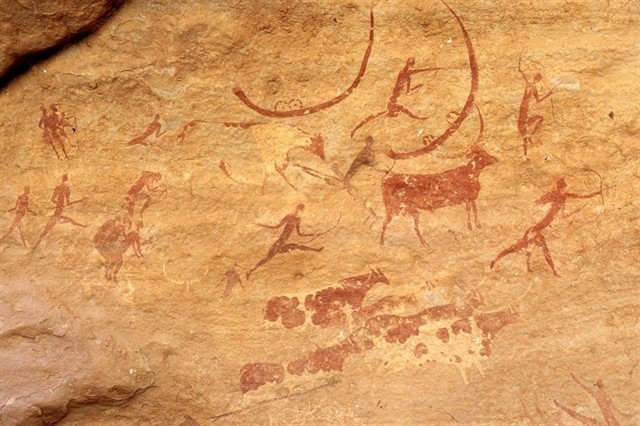
Una pintura rupestre es todo dibujo o boceto que existe en algunas rocas o cavernas, especialmente los prehistóricos. El término «rupestre» deriva del latín rupestris, y este de rupes (roca). De modo que, en un sentido estricto, rupestre haría referencia a actividad humana sobre las paredes de cavernas, covachas, abrigos rocosos e, incluso farallones u otro instrumento barrancos, entre otros. Desde este aspecto, es prácticamente imposible aislar las manifestaciones pictóricas de otras representaciones del arte prehistórico como los grabados, las esculturas y los petroglifos, grabados sobre piedra mediante percusión o abrasión. Al estar protegidas de la erosión por la naturaleza o ubicación del soporte, las pinturas rupestres han resistido el pasar de los siglos
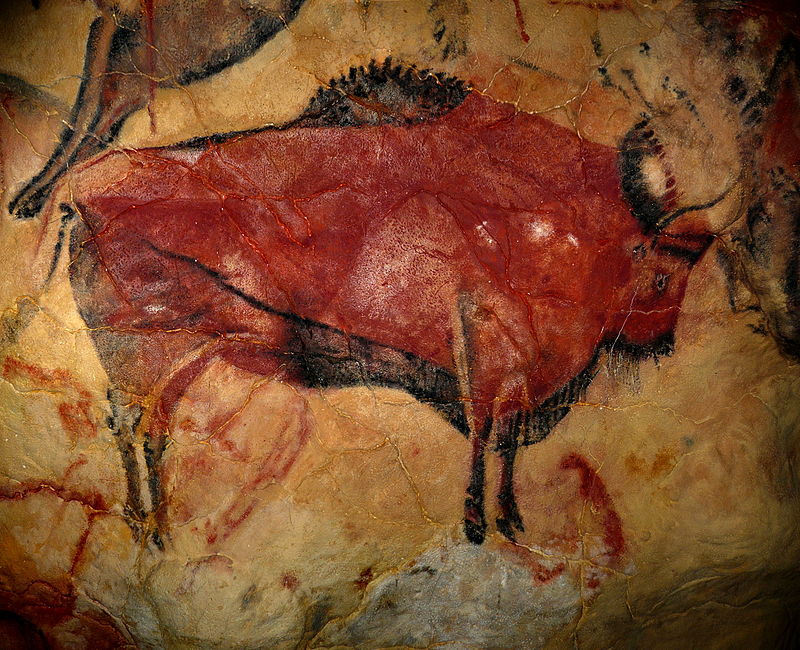
Estas pinturas —y las otras manifestaciones asociadas— revelan que el ser humano, desde tiempos prehistóricos, organizó un sistema de representación artística, se cree, en general, que está relacionado con prácticas de carácter mágico-religiosas para propiciar la caza. Dado el alcance cronológico y geográfico de este fenómeno, es difícil, por no decir, imposible, proponer generalizaciones. Por ejemplo, en ciertos casos las obras rupestres se dan en zonas recónditas de la cueva o en lugares difícilmente accesibles; hay otros, en cambio, en los que estas están a la vista y en zonas expeditas y despejadas. Cuando la decoración está apartada de los sitios ocupados por el asentamiento se plantea el concepto de santuario cuyo carácter latente subraya su significado religioso o fuera de lo cotidiano. En los casos en los que la pintura aparece en contextos domésticos es necesario replantear esta noción y considerar la completa integración del arte, la religión y la vida cotidiana del ser humano primitivo

ESTILO BOHO CHIC: CUANDO LO BOHEMIO SE CONVIRTIÓ EN TENDENCIA
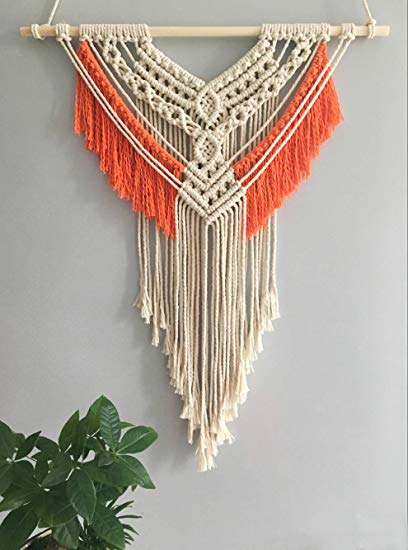
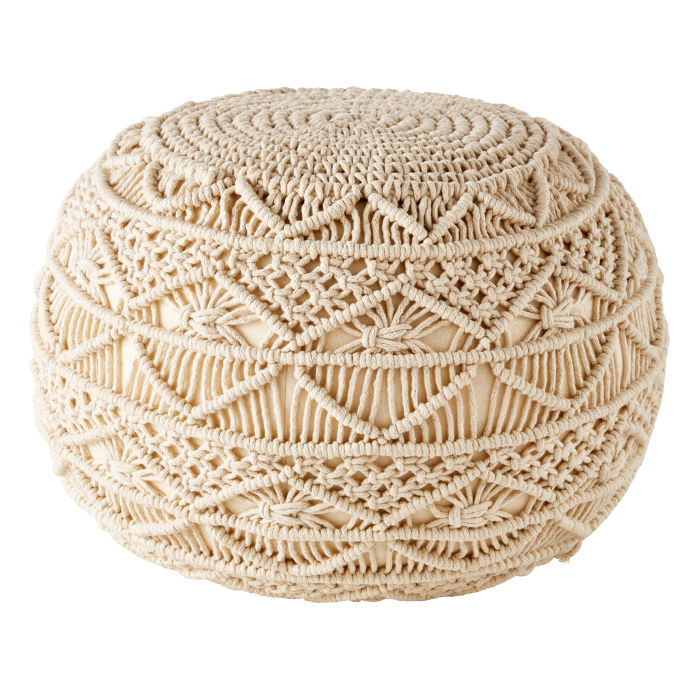
Se denomina macramé a la técnica de crear tejidos usando nudos decorativos. –

Es un arte muy antiguo, en el que solo se utilizan las manos para ejecutarlo. Pueblos como los persas y los asirios (2300 a. C.) poseían gran maestría. Más tarde, los árabes lo llevaron a Europa y posteriormente los europeos a América. Las típicas hamacas de nudos caribeñas se confeccionaban con esta técnica.
This is an example post, originally published as part of Blogging University. Enroll in one of our ten programs, and start your blog right.
You’re going to publish a post today. Don’t worry about how your blog looks. Don’t worry if you haven’t given it a name yet, or you’re feeling overwhelmed. Just click the “New Post” button, and tell us why you’re here.
Why do this?
The post can be short or long, a personal intro to your life or a bloggy mission statement, a manifesto for the future or a simple outline of your the types of things you hope to publish.
To help you get started, here are a few questions:
You’re not locked into any of this; one of the wonderful things about blogs is how they constantly evolve as we learn, grow, and interact with one another — but it’s good to know where and why you started, and articulating your goals may just give you a few other post ideas.
Can’t think how to get started? Just write the first thing that pops into your head. Anne Lamott, author of a book on writing we love, says that you need to give yourself permission to write a “crappy first draft”. Anne makes a great point — just start writing, and worry about editing it later.
When you’re ready to publish, give your post three to five tags that describe your blog’s focus — writing, photography, fiction, parenting, food, cars, movies, sports, whatever. These tags will help others who care about your topics find you in the Reader. Make sure one of the tags is “zerotohero,” so other new bloggers can find you, too.
 tommi
tommi 